

De Groot sees a strong new generation at the Development Team: ‘Development is our priority'
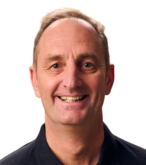
The Umag Trophy marks the start of the season for Team Visma | Lease a Bike's Development Team on Wednesday. After a successful training camp in Denia, Spain, the promising young riders are ready to cross swords with their peers. We look ahead to the season with Robbert de Groot, Head of Development.
The training camp in Spain was the last camp before the races begin. How are you all doing?
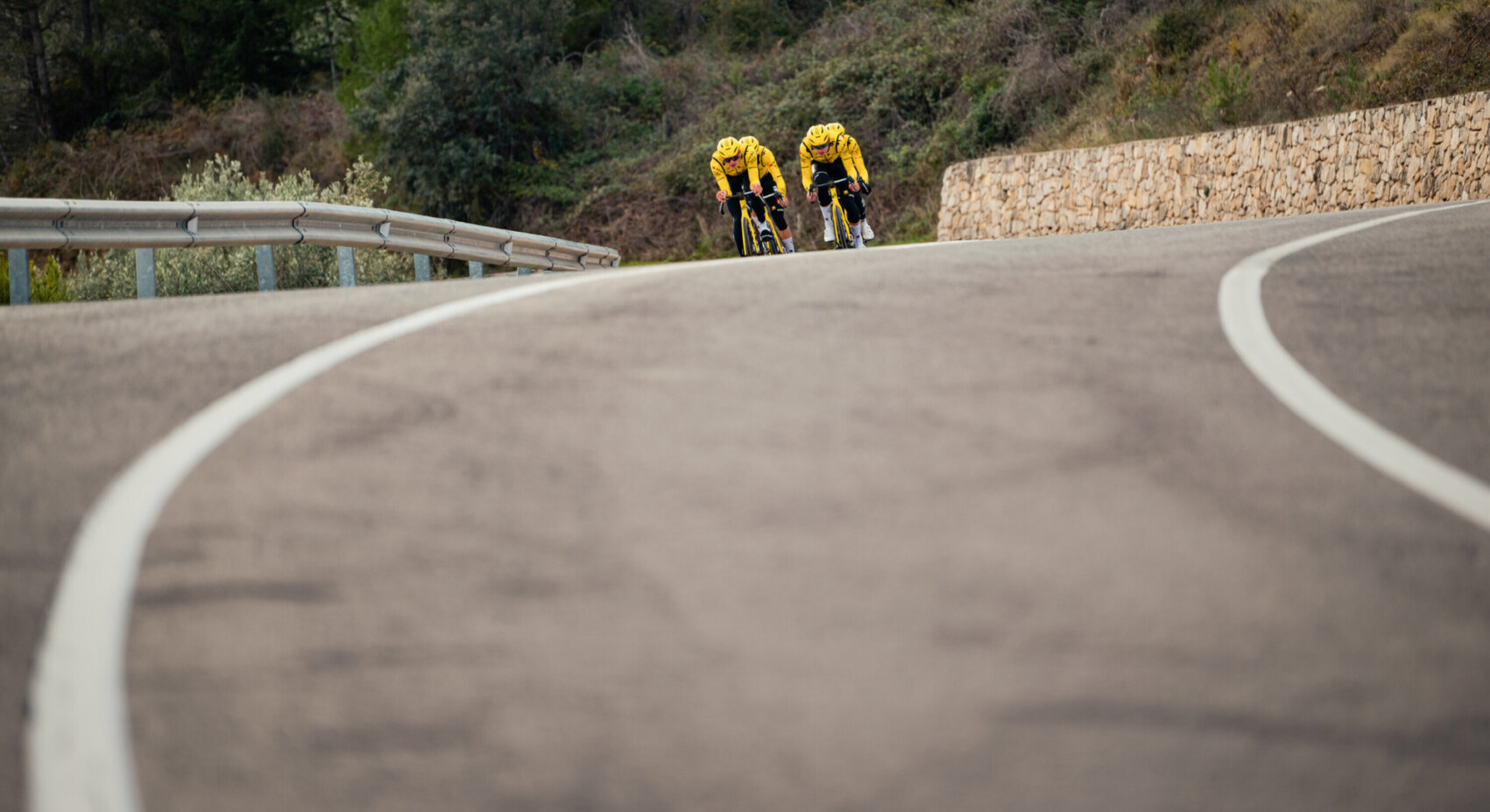
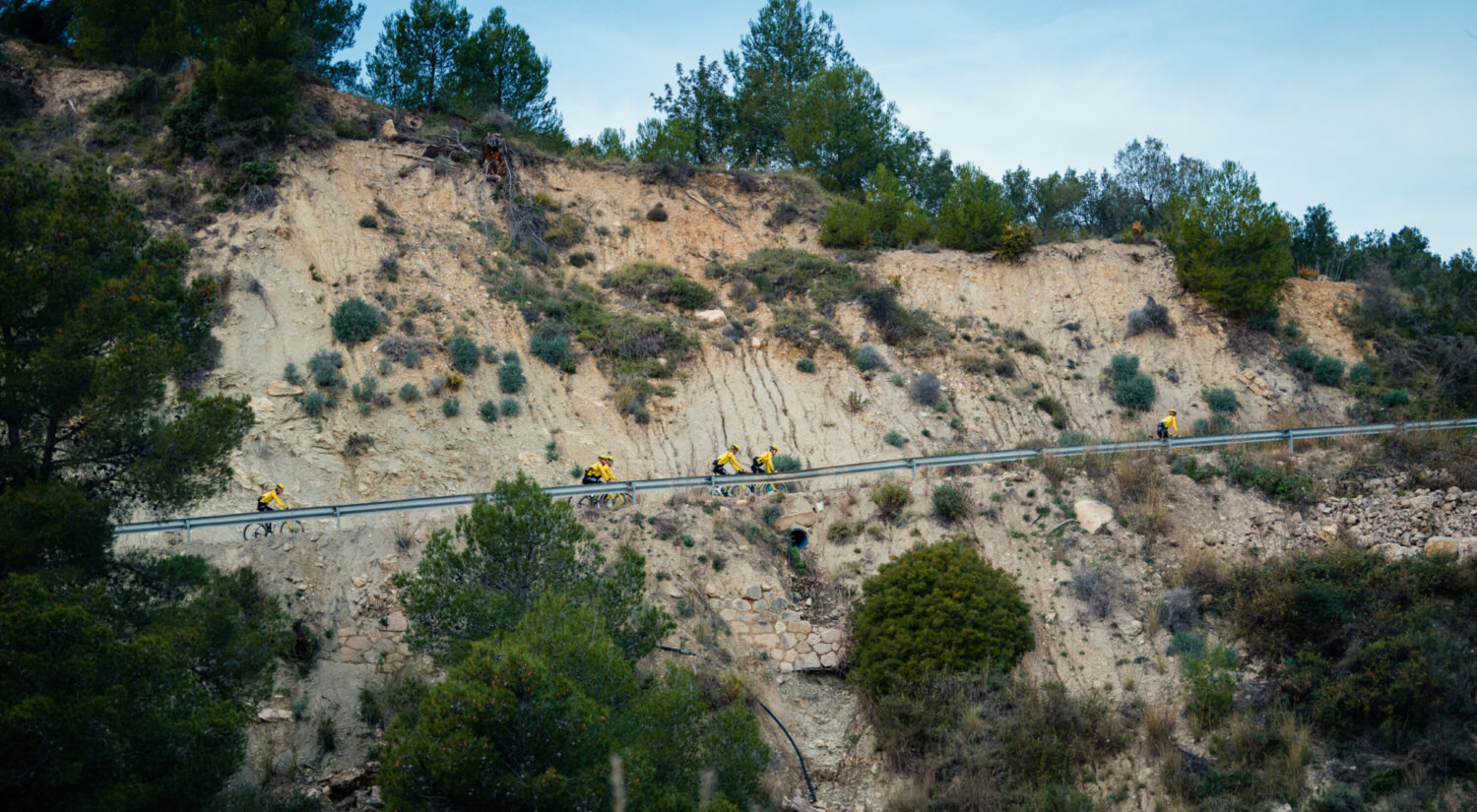
"Very good. We have a lot of confidence in this group. Everyone is fit, well prepared and motivated to start the season. The training camp in Denia was the conclusion of the preparation, so it was mainly a matter of going over some tactical things and doing specific training sessions. For example, we did a number of lead-out training sessions for our sprinters and rode on the time trial bike."
This Wednesday, part of the team will be at the start of the Umag Trophy, followed by the Porec Trophy and the Istrian Spring Tour, while another part will be in France participating in Le Tour des 100 communes and the GP Lillers. What are the objectives for the coming season?
"Our starting point is that we want to ensure that we prepare our riders as well as possible so that they can be of value to our WorldTeam in a few years' time. Development is always the most important. We don’t say in advance: we want to win this many races. That's less important. If the development goes well, we will automatically win somewhere.
Of course, there are a number of highlights in the season where we want the riders to show what they can do. Think of the Tour de l'Avenir, the Giro Next Gen, Paris Roubaix, La Flèche Ardennaise, Tour de Bretagne and the three Italian classics. These are important races for their development. During these kinds of races, they have to show whether they are eligible for a contract extension or the step up to the WorldTour."
This year, the Development Team consists of fifteen riders, two more than last season. Was that a conscious decision?
"It's true that quite a few new riders have joined us this year. That's because two riders (Pietro Mattio and Tim Rex) have moved up to the WorldTeam and we've said goodbye to a few riders. Last year we had thirteen in the team, this year we have increased that to fifteen. This means that we can have our riders ride with the WorldTeam more often.
Grischa Niermann, Mathieu Heijboer, Patrick Broe and I think it’s important to always take a few Devo riders with us to the so-called white jersey races. The white jersey group consists of riders from the WorldTeam who are under 23 years of age and who are being prepared for the bigger races."
What can you tell us about the newest additions?
"We have a very strong group coming in. Ashlin Barry, Henry Hobbs and Francesco Baruzzi are three world-class classics riders. We also deliberately scouted two climbing talents in Matej Pitak and Sven Mernik. Fabio Segatta is an all-rounder who can survive a number of climbs. And then we have Aldo Taillieu. He is a year older than the rest. We wanted to sign him a few years ago already, but he chose another team. He is a very good time trialist, classics rider and lead-out, but he can also finish well himself. Together with Matisse Van Kerckhove, Elliot Rowe, William Smith, Ian Kings, Cedric Keppens, Patryk Goszczurny, Jonas Høydal, and Mikal Grimstad Uglehus, we have a very good team."
How do you manage to convince talents such as Hobbs and Barry to join us?
"It's a combination of several factors. I think we have a very good reputation as a team. Guys like Tim and Mick van Dijke, Gijs Leemreize, Olav Kooij, Per Strand Hagenes, Jørgen Nordhagen and Matthew Brennan have all made the transition to the WorldTeam. That's a great calling card. People see that we are very successful in developing riders and that our riders are given opportunities to progress and continue to grow.
What is also extremely important is that it is sustainable. We can adapt to developments in the U23 scene and deal with the new generations."
What is your vision for the development of young riders within the team?
"Our main focus is on getting the most out of the lads we have in the team. In most cases, this is a somewhat longer process; it takes at least two seasons for someone to fully develop. The main goal is to get the guys to move up to the WorldTeam and become key riders there."
"It's important that we bring in the boys with the greatest potential."
How do you try to achieve that?
"It starts with scouting. It's important that we bring in the boys with the greatest potential. They're not necessarily the best riders of that age, but the riders with the greatest potential for development. When scouting, you look at various aspects. In addition to their cycling performance, you also look at behaviour, sporting background, family background, character, etc. These are all important factors that play a role.
Once we have convinced them of our plans and they are still of young age, they can join our junior team, JEGG-SKIL-DJR. That is where the training program begins. If they are good enough, there is a realistic chance that they will move on to our Development Team. Next to that, we look at juniors from other teams who we think could also grow. Ultimately, we bring them together in the Development Team and we can get to work with them. It's a fairly intensive scouting process."
After this season, Matisse will make the switch to the WorldTeam, becoming the fifteenth rider to step up. How special is that?
"That's almost forty percent of all the riders who have been in our Development Team. And that's not counting the riders who move on to other WorldTeams. It shows that we're doing something right."

What is your biggest dream?
"When I was asked to join the team to lead this program, I was given the task of winning a Grand Tour or a classic with a rider we had developed ourselves. We haven't managed that yet. However, we have won stages in a Grand Tour with Olav Kooij and several WorldTour-level races with Matthew Brennan. I don't rule out that we will succeed in the foreseeable future. It would be very nice if we could achieve that."